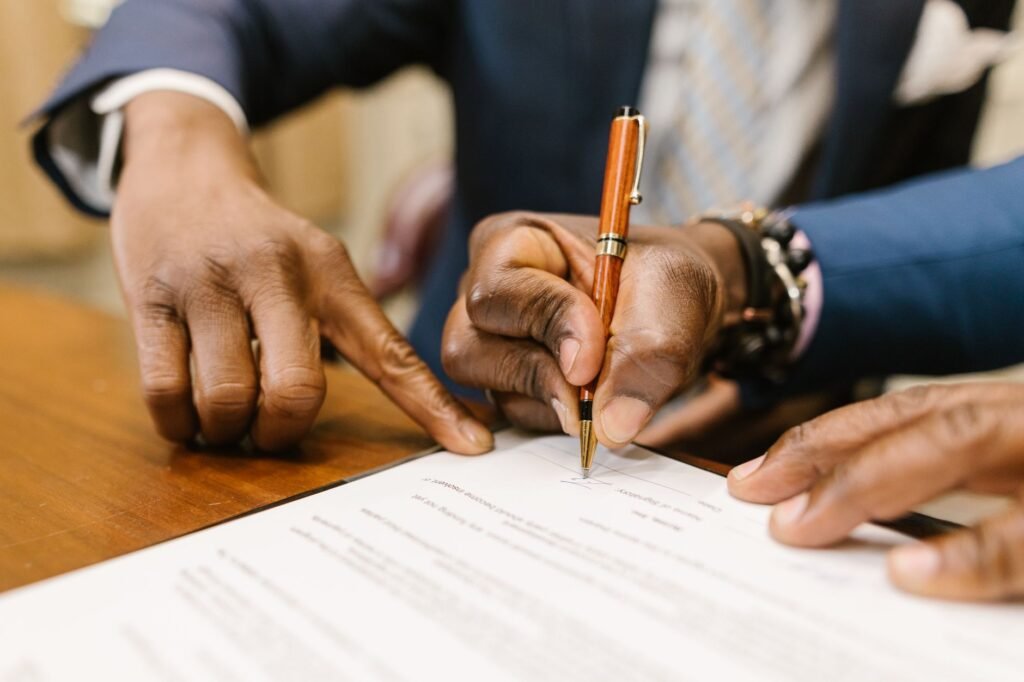
Planning to study abroad, but your Congolese diploma must be translated before universities or embassies will recognize it? A sworn diploma translation is often a key step in your application. In the DRC and Congo, this procedure takes specific expertise to keep your documents compliant.
Whether you are aiming for a US scholarship, a master’s in Europe or an exchange program in Asia, a certified translation by a sworn translator is often required. How do you go about it? What are the costs, the deadlines and the pitfalls? This guide explains everything, with practical advice for the local context.
Why does a sworn diploma translation matter?
A sworn translation is not an ordinary translation. It is produced by a translator recognized by the judicial authorities (such as the Kinshasa High Court) and carries an official stamp. Without this certification, your diploma may be rejected by:
- Foreign universities: many institutions ask for a sworn or certified translation to assess your academic level.
- Embassies: for a student visa, an uncertified translation is likely to be refused.
- Scholarship bodies: many programs require translated and legalized documents.
In the DRC and Congo, where procedures can be complex, working with an accredited provider such as Sunrise Corporation (No. 198/D.50/2021) helps you avoid costly delays.
Which diplomas must be translated to study abroad?
All academic documents should be translated when you apply abroad:
- University degrees: bachelor’s, master’s, doctorate or other higher education diplomas.
- Transcripts: often requested to assess your academic record.
- Certificates of achievement: for vocational training or certifications.
- Secondary school diplomas: such as the Diplôme d’État in the DRC.
- Language certificates: if you have taken a test such as the TOEFL or IELTS, a translation may be needed.
Example: If you apply for an MBA in France, you will usually provide a sworn translation of your degrees and transcripts.
Key steps for a recognized diploma translation
- Check the institution’s requirements: some universities accept plain translations, but many ask for a sworn translation. Check their website or contact their admissions office.
- Choose a sworn translator: in the DRC, the translator must be accredited by the High Court. In Congo-Brazzaville, check their registration with the local authorities.
- Provide the original documents: scan or photograph your diploma and transcripts in high resolution. They must be legible and complete.
- Order the translation: specify the target language (English, French, Spanish and so on) and the number of copies needed. For urgent needs, choose an express service.
- Collect your certified translation: the document will be stamped, signed and accompanied by a statement of conformity. Check that the translator’s stamp is legible.
- Legalize if needed: some embassies or universities require additional legalization by the Ministry of Foreign Affairs, then by the embassy or consulate of the destination country.
How much does a sworn diploma translation cost in the DRC or Congo?
- Target language: translation into English or French is usually cheaper than a rare language (Arabic, Chinese and so on).
- Number of pages: prices are often calculated per page.
- Turnaround: a standard service costs less than an express service (24-48 hours).
- Document complexity: a technical diploma or detailed transcript may take more time.
As a guide, allow around USD 40-60 for a diploma and transcript of 2-3 pages, or USD 60-90 for express service. Sunrise Corporation provides free quotes within 30 minutes.
Deadlines: how to get your translation quickly
The standard turnaround is 3 to 5 working days. If your file is due within 48 hours, here are your options:
- Express service: agencies such as Sunrise Corporation offer translation within 24 to 48 hours for standard documents.
- Prepare early: send your documents as soon as possible. A clear photo or PDF scan is enough.
- Online delivery: translations can be sent by email or WhatsApp, with a hard copy available at the office.
Tip: If you are sending your file to an embassy, allow at least 2 weeks for translation, legalization and any back-and-forth.
International recognition: what to check before ordering
- Translator accreditation: make sure the translator is recognized by the local authorities.
- Stamp and signature: the document must carry the translator’s official stamp and signature.
- Legalization: the DRC and Congo-Brazzaville do not issue apostilles. Some embassies ask for legalization by the Ministry of Foreign Affairs.
Example: To study in the United States, your translation may need to be legalized by the Ministry of Foreign Affairs of the DRC or Congo. Check with the university first.
Mistakes to avoid when translating your diploma
- Using an unsworn translator: a plain translation, even a perfect one, may not be accepted.
- Not checking the institution’s requirements: some universities ask for a certified and legalized translation, others only a sworn translation.
- Sending illegible documents: a blurred scan can lead to errors or refusal.
- Leaving it too late: express translation costs more. Plan ahead.
- Forgetting documents: a diploma without its transcript may be incomplete.
Sunrise Corporation: your partner for certified diploma translation
Since 1997, Sunrise Corporation has supported students, professionals and companies in the DRC and Congo. Accredited by the Kinshasa High Court (No. 198/D.50/2021), our agency offers:
- Sworn translations accepted by most embassies and universities.
- Express service for urgent needs (24-48 hours).
- Transparent pricing with a free quote within 30 minutes.
- Multilingual expertise (English, French, Spanish, German and more).
- Full support: from translation to legalization and preparing your application. See our scholarship and student visa support.
Wherever you are in Kinshasa, Brazzaville, Lubumbashi or Goma, our teams can guide you. Get your free quote now through our online form or call us for fast assistance.
Frequently Asked Questions
What is the difference between a sworn and a certified translation?
A sworn translation is produced by a translator recognized by the judicial authorities (such as the High Court) and carries an official stamp. A certified translation can be produced by an agency, without judicial accreditation. For diplomas, a sworn translation is generally required.
Can I translate my own diploma to study abroad?
No. Universities and embassies generally do not accept translations by the applicant or a relative.
How long does a sworn diploma translation take?
The standard turnaround is 3 to 5 working days. Express services (24-48 hours) are available at a higher price.
Does my diploma need legalization as well as translation?
It depends on the destination country. The DRC and Congo-Brazzaville do not issue apostilles: allow for legalization by the Ministry of Foreign Affairs, then, if necessary, by the embassy or consulate of the destination country.
Can I use the same sworn translation for several universities?
Yes, as long as it meets each institution’s requirements. Check whether each university wants originals or certified copies.